Uniqlo has spent years building a brand identity around the word "basics." The reality is more complicated.
The pitch
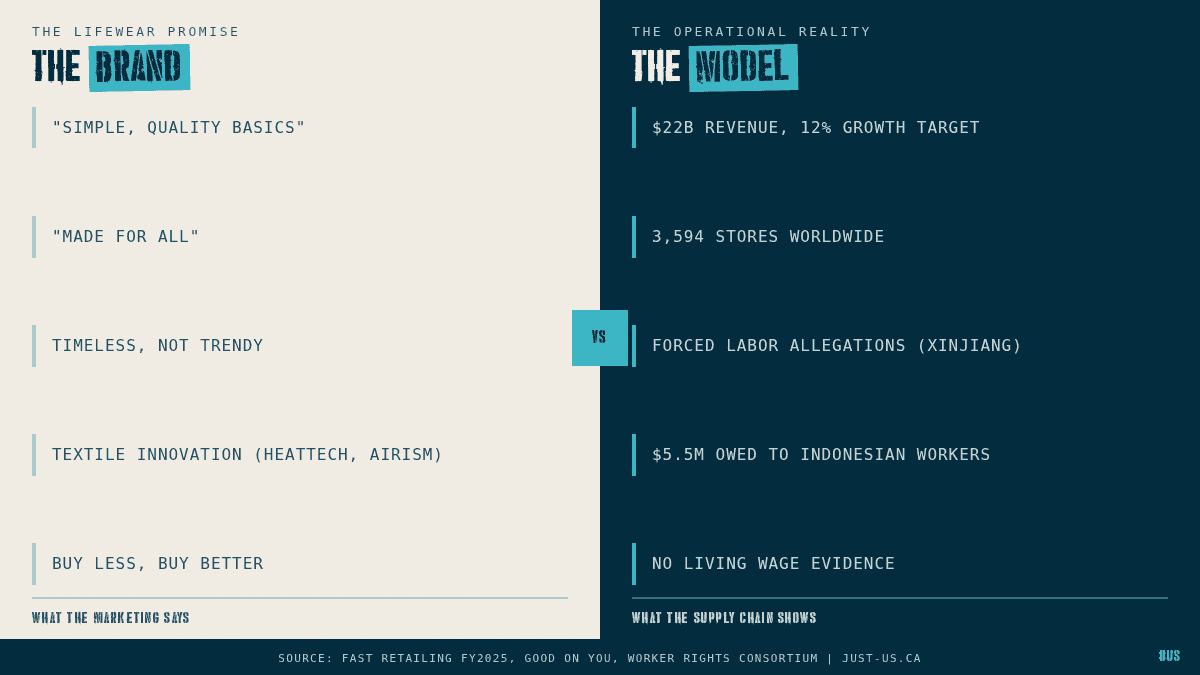
Uniqlo has spent years building a brand identity around the word "basics": simple, functional, well-made clothes for everyday life. No trend-chasing. No micro-seasons. No haul culture. The anti-Shein.
Some of that is true. Uniqlo's clothes do last longer than Shein's. The designs are deliberately timeless. The t-shirt you bought in 2019 still looks like the t-shirts on shelves today, because they are, functionally, the same t-shirt.
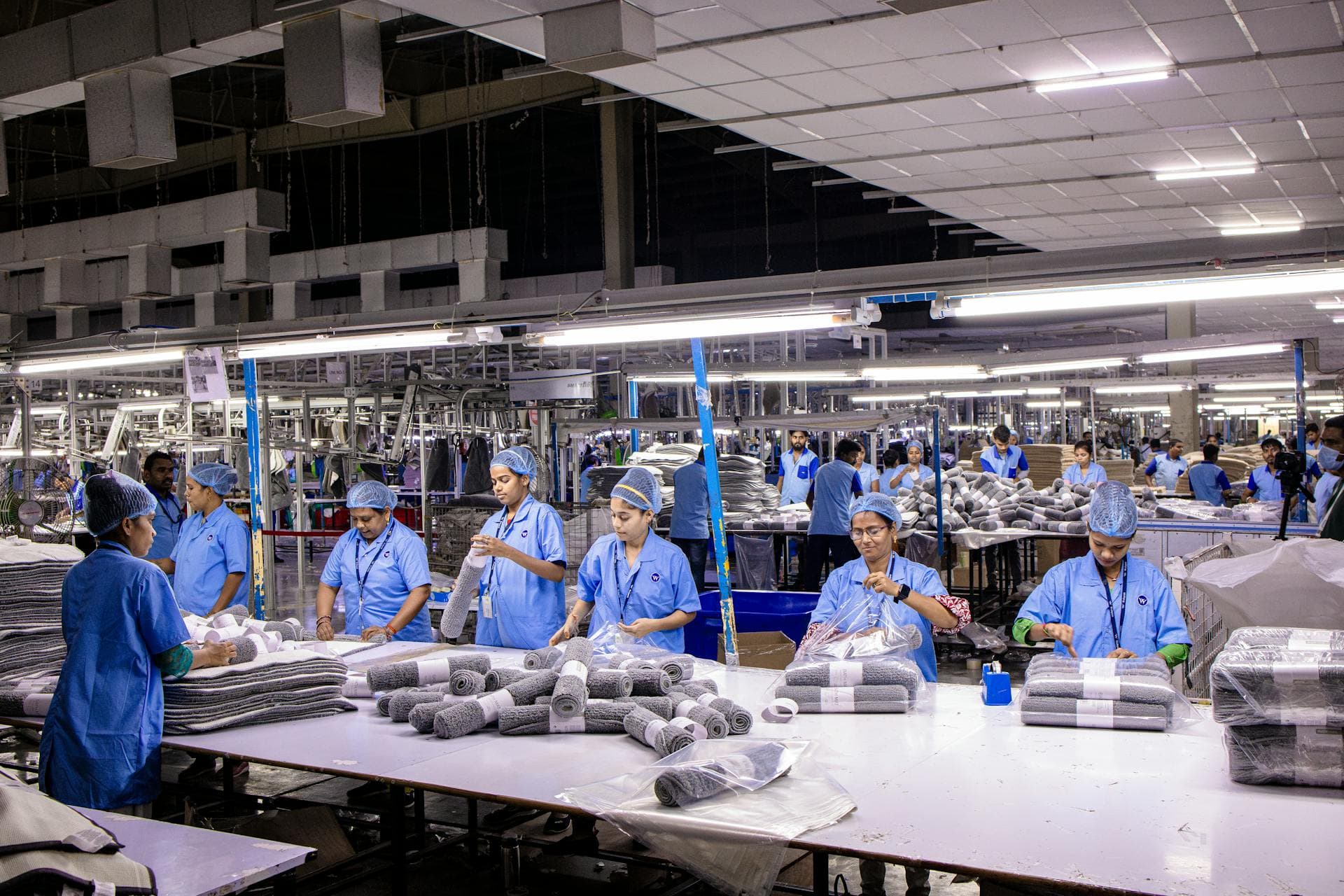
But the volume tells a different story. Uniqlo produces tens of millions of garments per week. The parent company, Fast Retailing, reports revenue of ¥3.1 trillion ($20 billion). This is not a small, slow, considered operation. It's fast fashion with a quieter aesthetic.
The Xinjiang question
In 2021, US Customs and Border Protection detained Uniqlo shipments at the US border on suspicion that cotton in the garments came from Xinjiang, the region of China where the US and multiple human rights groups have documented forced labor of Uyghur Muslims.
Uniqlo's CEO Tadashi Yanai initially refused to commit to not using Xinjiang cotton, arguing it was "too political." In late 2024, after years of pressure, Yanai stated publicly that Uniqlo does not use Xinjiang cotton. The company has not published a full supplier map to prove it.
The Jaba factory case
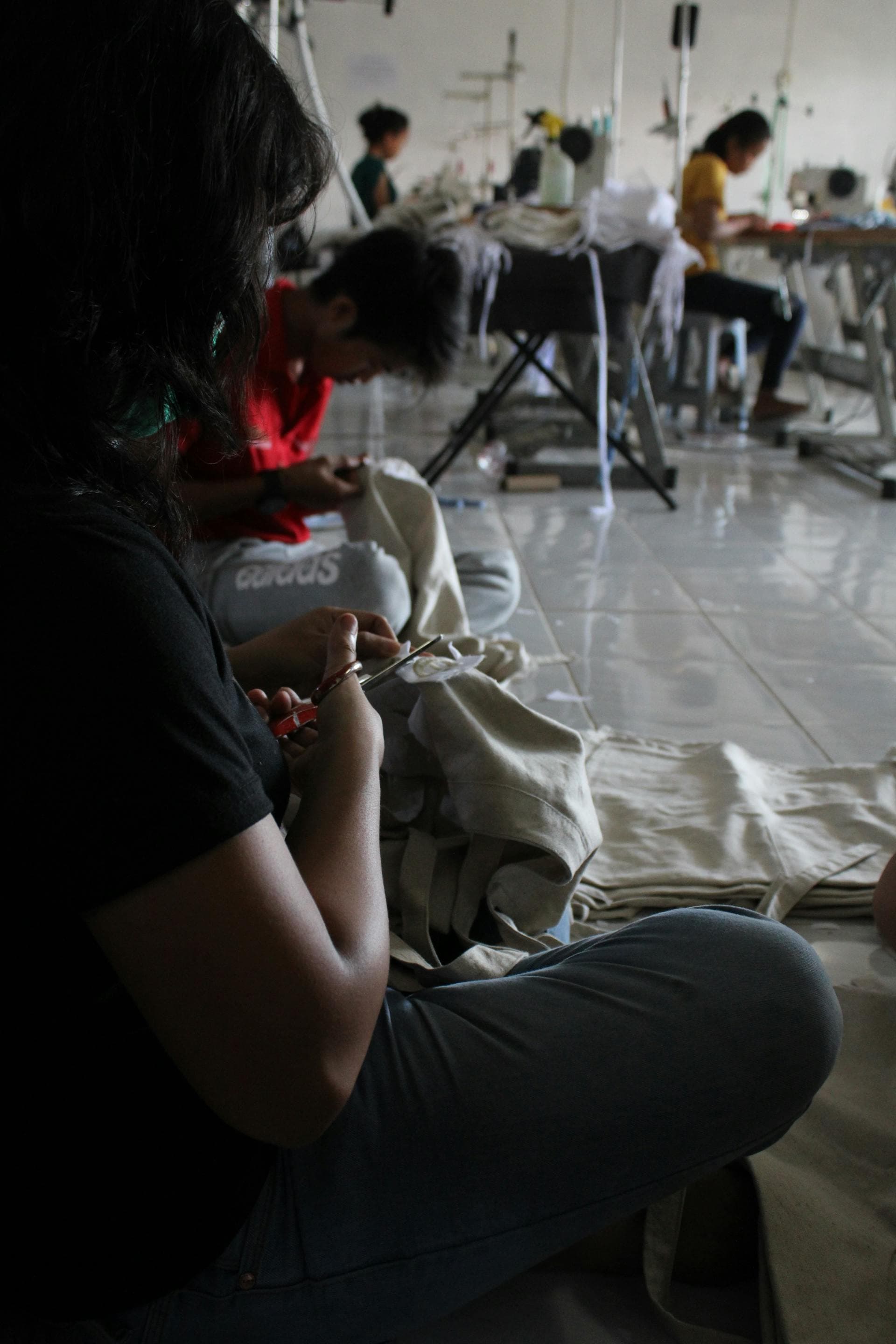
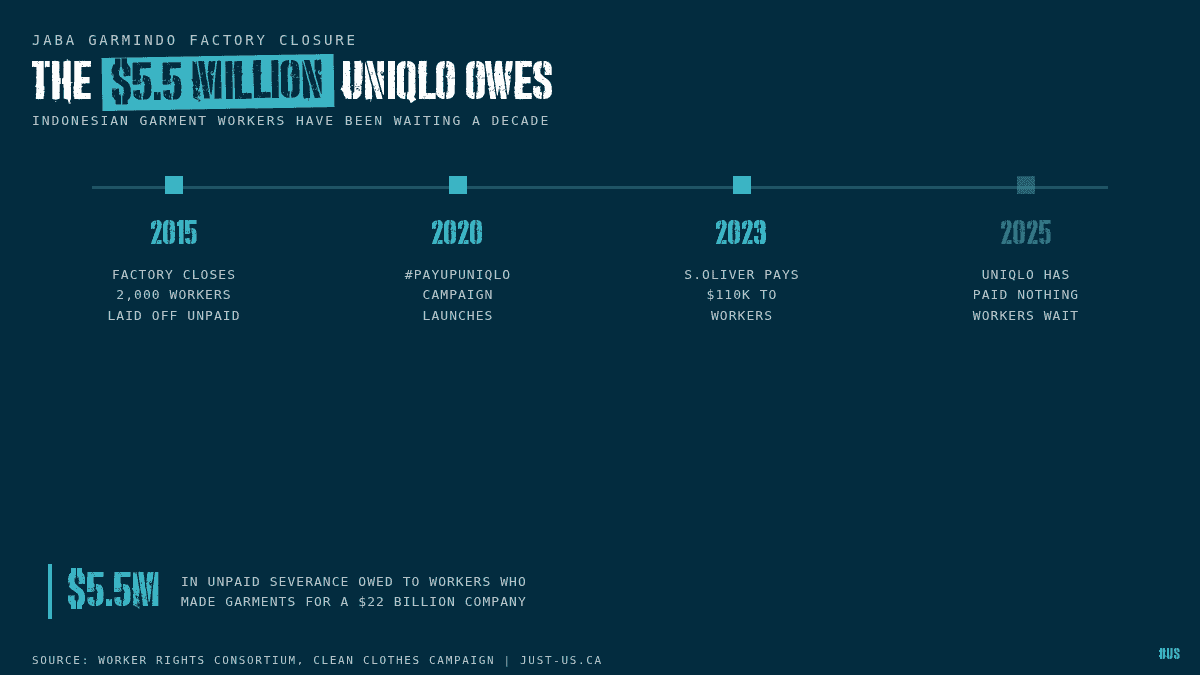
In 2015, the Jaba Garmindo factory in Indonesia closed. Two thousand workers were owed $5.5 million in severance. Jaba had been a Uniqlo supplier for years. Uniqlo declined to pay. The workers, backed by the Clean Clothes Campaign, pursued the company through media, protests, and direct appeals.
It took nine years. In 2024, Uniqlo finally reached a settlement with the surviving workers. Nine years for a supplier they'd sourced from. That's the timeline the "basics" brand operates on when the cost of basics gets named out loud.
What to do instead
Uniqlo basics do last. That's true. But "basics" is also the category most saturated in secondhand — white tees, plain knits, simple denim. You can get the same aesthetic, better quality, half the price, on any resale platform.
When you do buy new, look for brands that publish not just their supplier list but their mill list. Uniqlo's 51/100 transparency score sounds okay. Against brands publishing 90+, it isn't.
“Lifewear, the brand calls it. Life being what ships it to landfill in four washes.”