Most fast fashion brands copy trends. Zara built the machine that makes copying possible.
The machine
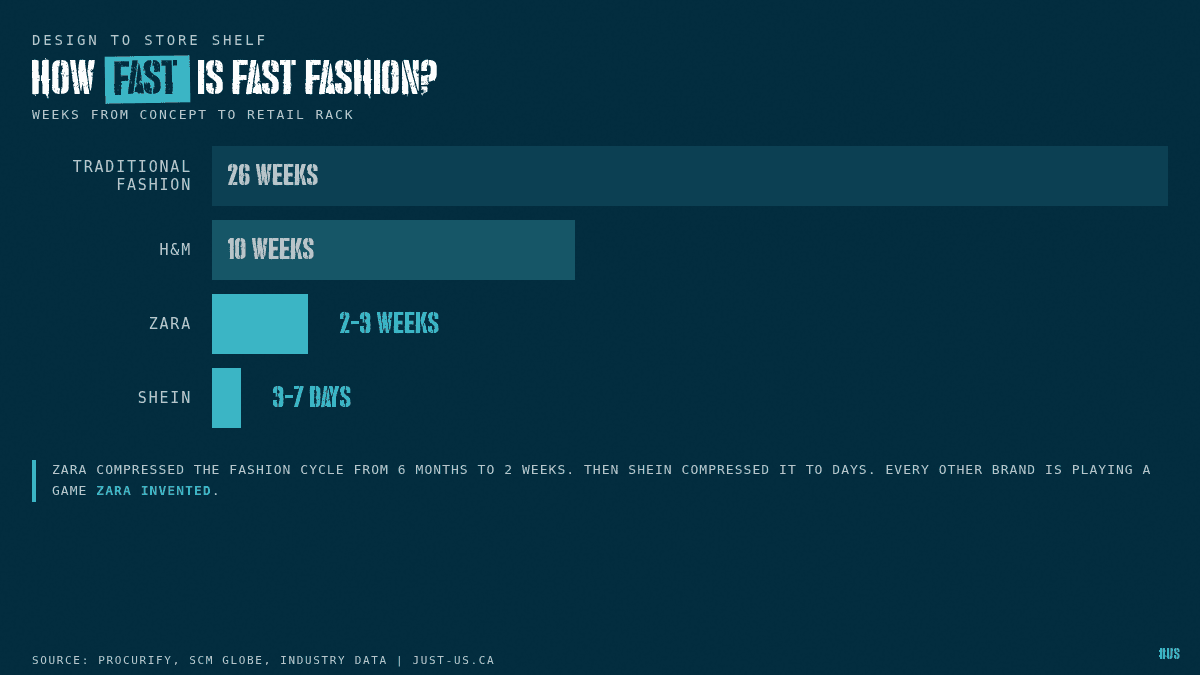
In the 1980s, Amancio Ortega figured out something no one else in fashion had operationalised at scale: if you could shrink the time between spotting a trend and hanging it on a rack from six months to two weeks, you could sell more clothes than anyone.
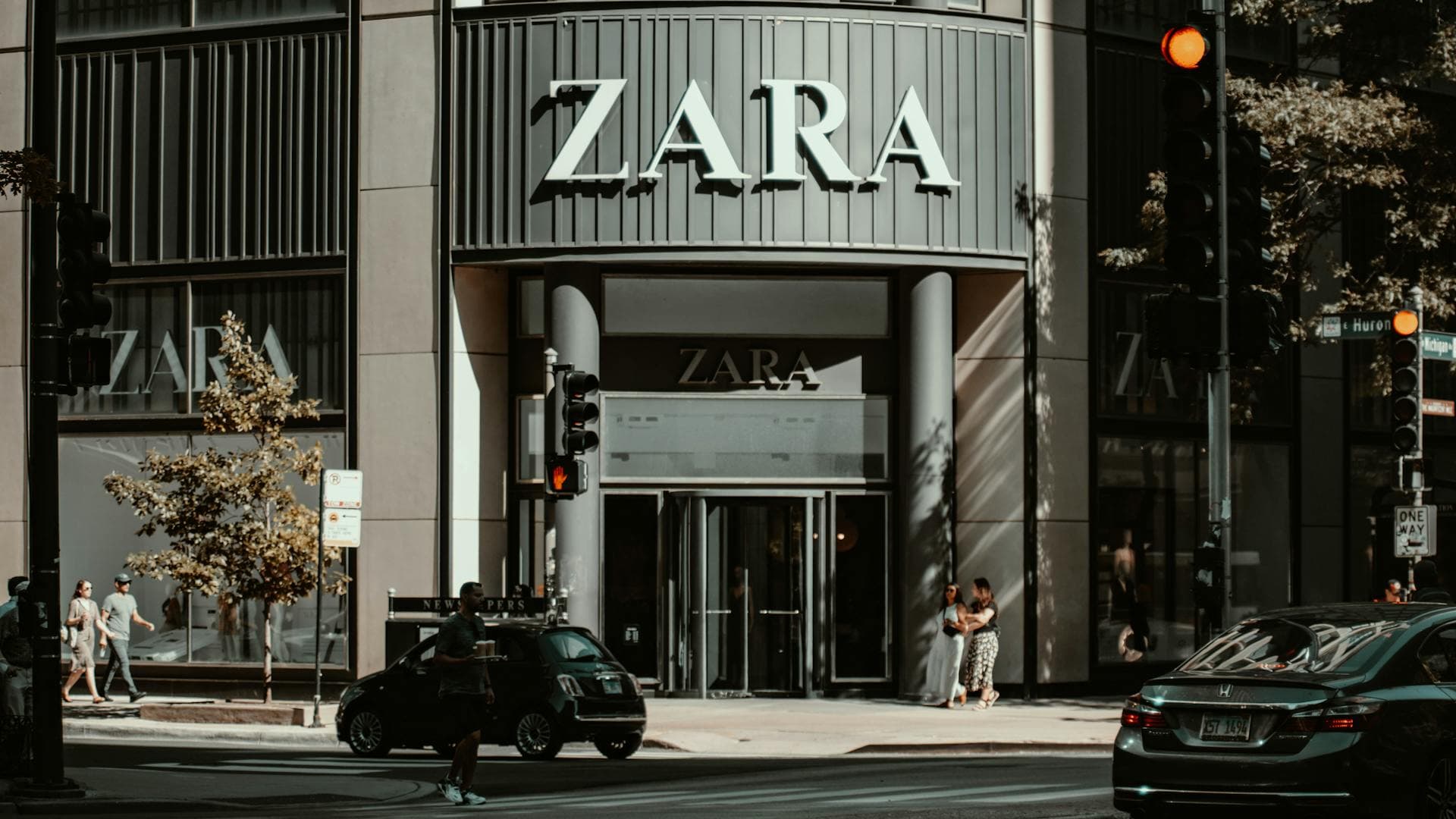
That idea became Inditex, the world's largest fashion retailer, with revenue of €39.8 billion across its brands. Zara is the flagship. And Zara's engine is what every other fast fashion company has been trying to copy for forty years.
The model is this. Stores report sales data daily. Designers in Arteixo, Spain draft new styles based on what's moving. Factories produce in small batches. Trucks ship twice a week. By the time you notice something is a trend, Zara is already selling the knock-off.
The sustainability claim
Zara runs "Join Life" — a label that marks garments made with some proportion of recycled or lower-impact materials. It's prominent in stores. It's prominent online. It sounds like the company is transitioning.
Here's the problem. The Join Life label applies to roughly half of Zara's production. The other half runs on the same model it always has. And even the Join Life half isn't audited independently. The claim is internal.
Meanwhile the production volume keeps climbing. 450 million+ garments per year. 6,500 stores. New collections landing twice a week. You can't reduce environmental impact by making more stuff faster with slightly less bad materials. The math doesn't work. And Zara's sustainability reports don't pretend it does — they just don't frame it that way.
The people making the clothes
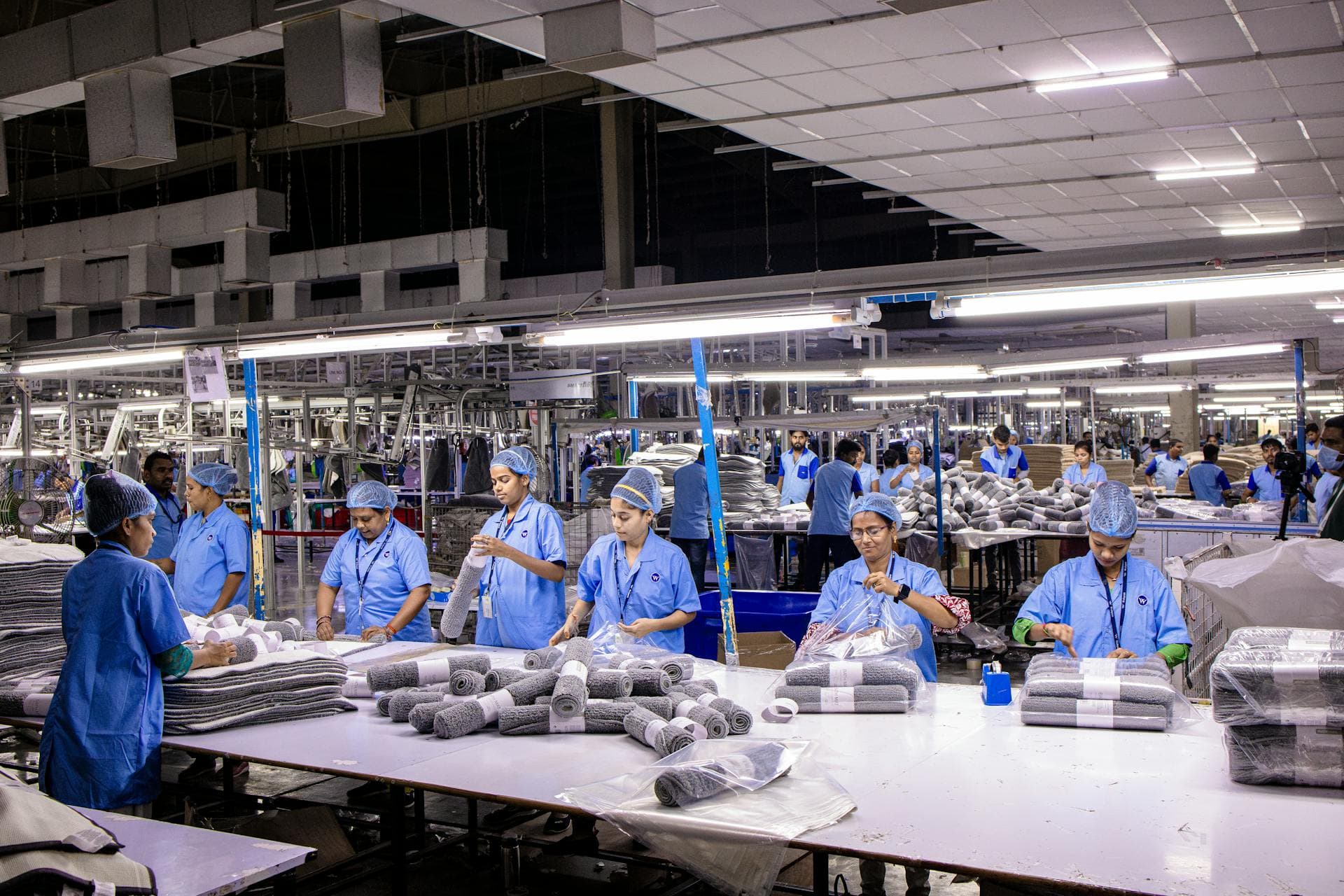
Independent reporting has documented poverty wages and abuse in Bangladeshi supplier factories tied to Inditex's speed model. The Clean Clothes Campaign's 2023 audit found that the pressure to turn orders in ten days pushes suppliers to overtime, unsafe conditions, and wage theft.
Zara publishes a supplier list — partial, redacted, and organised by country rather than factory. The Fashion Transparency Index gives the brand 43%, better than Shein but well below the mark where you can actually trace a garment from fibre to shelf.
The same logic runs underneath. A two-week cycle means someone somewhere is working on a clock that doesn't care what's reasonable.
What to do instead
Buying less Zara isn't sacrifice. Most of what the brand sells is designed to feel dated in four months so the next collection feels fresh.
Three real moves. Shop secondhand. Zara churns out so much volume that virtually every silhouette is on Depop or Vinted within weeks of release, already worn once. Buy from labels that publish their factory list. Look for ones who list the mill too. And when you buy new, buy less — a handful of things a year, chosen deliberately.
“They changed their language. They didn't change the model.”